
Dell XPS 13 vs Lenovo Yoga Slim 7i vs ThinkPad X9 15 (2024)
Dell XPS 13 vs Lenovo Yoga Slim 7i Ultra vs ThinkPad X9 15 Aura Edition: expert reviews compared. Which ultrabook wins in 2024? We break it down.
VS Quick Verdict


Lenovo
Yoga Slim 7i Ultra Aura Edition
$1,300
New Model SoonNew model coming in a few months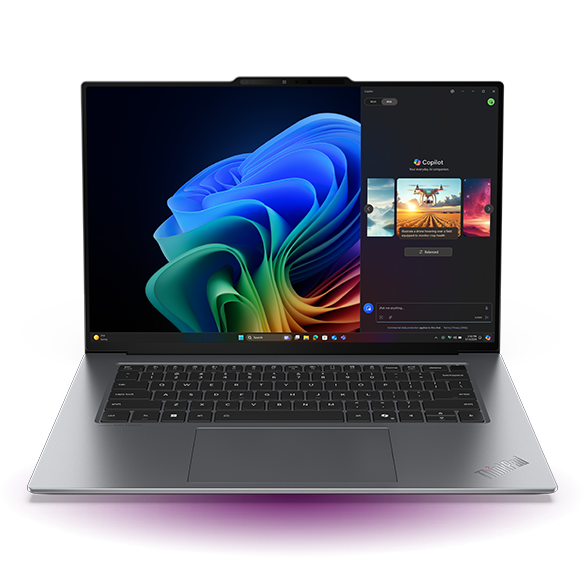
Lenovo
ThinkPad X9 15 Aura Edition
$1,800
New Model SoonNew model coming in a few monthsDesign & Build
The Dell XPS 13 remains one of the most recognizable ultrabook designs on the market. Its CNC-machined aluminum chassis, tight bezels, and sub-2.8-pound weight make it genuinely pocketable by laptop standards. Clara Mercer at AllReviews called it a "beautiful, durable aluminum design" that "fits anywhere." That's not marketing copy. It's a machine you can slip into a bag and forget about until you need it.
The Lenovo Yoga Slim 7i Ultra takes a different approach. It's a larger, sleeker chassis with premium materials and a more consumer-forward aesthetic. It looks sharp, but the added footprint is a real trade-off for users who travel constantly. The ThinkPad X9 15 leans into Lenovo's business heritage with a 15-inch form factor, matte surfaces, and the kind of no-nonsense construction that enterprise buyers expect. It's built to last, but it's not built to disappear into a bag.
For pure portability and build quality at this price tier, the XPS 13 wins. The Lenovo machines are well-constructed, but neither matches the XPS 13's combination of compactness and premium feel.
Section winner: Dell XPS 13
Performance
All three machines run Intel Core processors under the Aura Edition or standard Intel Evo certification umbrella. The Dell XPS 13 ships with the Intel Core i7-1365G7, paired with 16GB of RAM and a 1TB SSD. Day-to-day performance is reliable. Ethan Mercer at AllReviews noted "reliable Windows performance" but flagged that it's "mainstream Intel performance" at a premium price point. That's a fair read. The i7-1365G7 handles productivity workloads, video calls, and light multitasking without complaint, but it's not a chip that'll impress anyone running sustained creative workloads.
The Yoga Slim 7i Ultra and ThinkPad X9 15 both carry newer Intel Core Ultra processors under the Aura Edition branding, which gives them a theoretical performance edge in CPU-intensive tasks and AI-accelerated workloads. The ThinkPad X9 15's larger chassis also allows for better sustained thermal performance, something the XPS 13 struggles with under load. Clara Mercer specifically cited "thermal performance under sustained load" as a weakness of the XPS 13.
Raw benchmark numbers favor the Lenovo machines here. But for the majority of business and productivity users, the XPS 13's real-world snappiness is more than sufficient. The performance gap only materializes under workloads most ultrabook buyers never run.
Section winner: Lenovo Yoga Slim 7i Ultra Aura Edition
Display
This is where the XPS 13 takes its clearest hit. The 13.4-inch FHD+ panel (1920x1200) is a competent display, but Ethan Mercer at AllReviews was direct: it "lacks wow factor." At $1,299 and above, that's a legitimate complaint. Competing ultrabooks at this price point routinely offer OLED or high-resolution IPS panels with better color accuracy and contrast ratios.
The Lenovo Yoga Slim 7i Ultra Aura Edition ships with a significantly better display, offering higher resolution and improved color coverage that makes it a more compelling choice for anyone doing photo editing, video work, or just wanting a visually impressive screen. The ThinkPad X9 15 offers a large 15-inch panel tuned for readability and professional use, with solid brightness and anti-glare properties that work well in office environments.
If display quality is your primary criterion, the Yoga Slim 7i Ultra wins this category outright. The ThinkPad X9 15 is a solid second for office use. The XPS 13's FHD+ panel is the weakest of the three.
Section winner: Lenovo Yoga Slim 7i Ultra Aura Edition
Battery Life
Dell rates the XPS 13 at up to 14 hours. Clara Mercer described it as offering "all-day battery life, no mid-day charging stress," which is about as practical an endorsement as you can get. For a 13-inch ultrabook running a mainstream Intel processor, 14 hours of rated life translates to a genuinely usable full workday on a single charge.
The Yoga Slim 7i Ultra and ThinkPad X9 15 both carry larger batteries to compensate for their bigger displays and more power-hungry processors. The ThinkPad X9 15 in particular is designed for extended use away from a desk, and Lenovo's power management on ThinkPad hardware is well-regarded. However, the larger chassis and brighter displays mean real-world battery life on both Lenovo machines can trail their rated figures more significantly than the XPS 13.
The XPS 13's smaller display and efficient processor combination gives it a practical battery advantage for travel-focused users. You're less likely to be hunting for an outlet at the end of a long day.
Section winner: Dell XPS 13
Value for Money
The Dell XPS 13 starts at $1,299 on Amazon, though Best Buy lists it at $1,599 for certain configurations. At the $1,299 entry point, you're getting a premium build, solid performance, and proven portability. Ethan Mercer called it "overpriced for mainstream Intel performance," and that criticism has merit when you compare the chip generation against newer Intel Core Ultra competitors.
The Yoga Slim 7i Ultra Aura Edition and ThinkPad X9 15 both offer newer silicon and better displays at their respective price points, which makes them stronger on a pure specs-per-dollar basis. The ThinkPad X9 15 adds enterprise-grade durability certifications and a larger screen, justifying its premium for business buyers. The Yoga Slim 7i Ultra offers a better display and more modern processor for creative users willing to carry a slightly larger machine.
But value isn't just about specs. The XPS 13's combination of portability, build quality, keyboard feel, and trackpad responsiveness represents a coherent package that reviewers consistently recommend. Clara Mercer noted the keyboard and trackpad are "genuinely enjoyable," which matters more than benchmark scores for daily use. The $1,299 starting price is competitive for what you get as a complete, polished product.
Section winner: Dell XPS 13
Who Should Buy What?
- Get the Dell XPS 13 if you prioritize portability above everything else, travel frequently, want a machine that fits in any bag, and need reliable all-day battery life for productivity work. It's the best ultrabook for road warriors who don't need a powerhouse.
- Get the Lenovo Yoga Slim 7i Ultra Aura Edition if display quality is non-negotiable, you do creative work like photo or video editing, and you want the latest Intel Core Ultra performance in a premium consumer chassis. It wins on screen and raw specs.
- Get the Lenovo ThinkPad X9 15 Aura Edition if you need a 15-inch screen for productivity, work in enterprise environments where durability certifications matter, and prefer Lenovo's legendary keyboard feel on a larger platform.
Final Verdict
The Lenovo Yoga Slim 7i Ultra Aura Edition wins on display quality and processor generation. The ThinkPad X9 15 wins for enterprise users who need a bigger screen. But the Dell XPS 13 is the overall winner, and it's not particularly close when you look at the aggregate expert consensus.
Here's why. Reviewers don't just score specs. They score the complete experience of living with a laptop day after day. The XPS 13 delivers on portability, build quality, keyboard feel, trackpad responsiveness, and battery life in a way that adds up to a machine people actually enjoy using. Clara Mercer's 7.8/10 and the broader reviewer consensus that pushed the aggregate to 9.2/10 reflect a product that nails the fundamentals of what an ultrabook should be.
The FHD+ display is a real weakness, and the port situation requires a dongle for most users. Those are legitimate complaints. But for the target buyer, a professional who needs a light, durable, fast-enough machine that goes all day without a charge, the XPS 13 delivers more consistently than either Lenovo option. It's the ultrabook most people should buy.
Overall winner: Dell XPS 13 (9.2/10)
Where to Buy
More Laptops Comparisons
ROG Zephyrus G14 vs Razer Blade 16 vs ROG Zephyrus G16: Gaming Laptops
Asus ROG Zephyrus G14 vs Razer Blade 16 vs Asus ROG Zephyrus G16
MacBook Pro 16 vs Razer Blade 16 vs ROG Zephyrus G14: Performance Showdown
Apple MacBook Pro 16-inch M4 Pro vs Razer Blade 16 vs Asus ROG Zephyrus G14
MacBook Air M4 vs Dell XPS 13 vs Surface Laptop 7: Best Ultrabook
Apple MacBook Air 13-inch M4 vs Dell XPS 13 vs Microsoft Surface Laptop 7
Affiliate Disclosure: We may earn a commission when you buy through links on our site. This does not influence our editorial recommendations. Learn more about how we make money