
Samsung Neo QLED 8K vs LG C4 OLED vs Hisense U8K: Which TV Wins?
Samsung's 8K flagship battles LG's OLED and Hisense's budget champion. We analyzed expert reviews to find the definitive winner for your home theater.
VS Quick Verdict
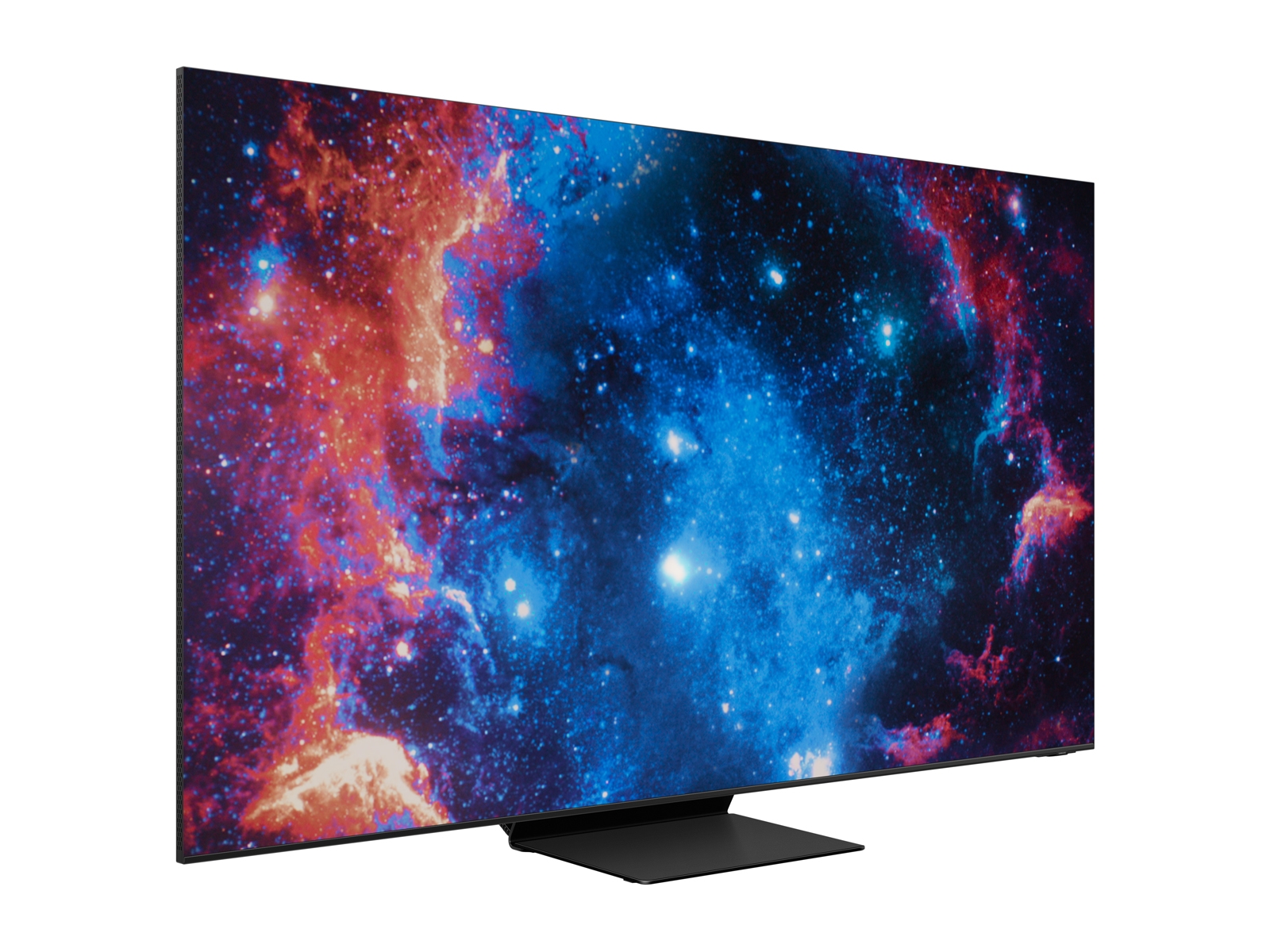
Samsung
Neo QLED 8K Smart TV
$5,298
Fair TimingMid-Cycle — Fair time to buy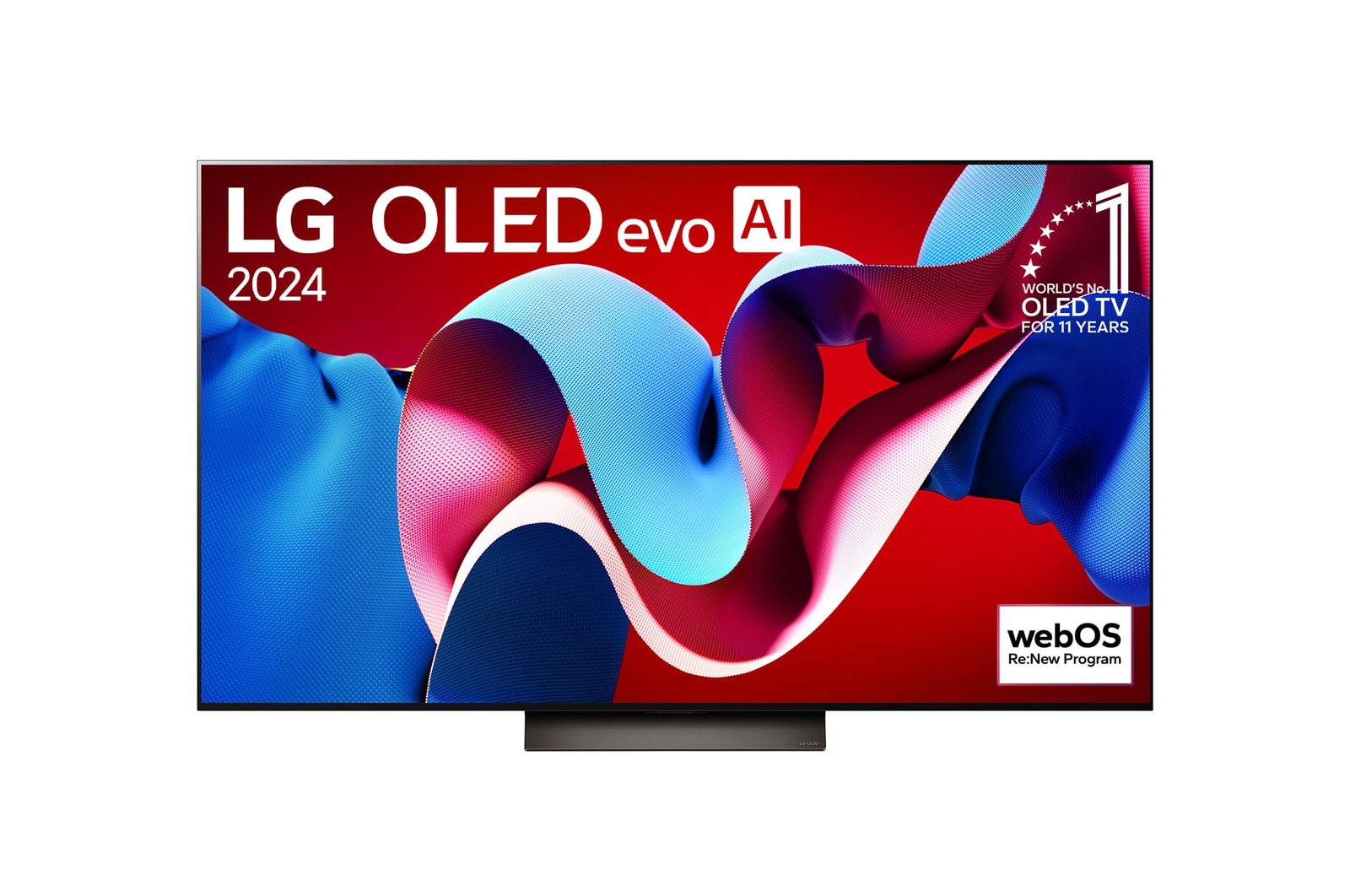
LG
C4 OLED 65-inch 4K Smart TV
$1,177
Deals LikelyNewer model likely available — look for deals on this one
Hisense
U8K Series
$1,300
Deals LikelyNewer model likely available — look for deals on this oneDesign & Build
The Samsung Neo QLED 8K looks like a $5,000 TV should. Reviewers consistently praise the nearly bezel-free design with sleek metallic trim that makes it feel like a work of art on your wall. The slim profile is genuinely impressive, though at 75 inches, it's heavy enough that you'll need professional installation. According to Micaela Floyd's review, it's "the kind of TV you actually want people to see."
LG's C4 OLED takes a more understated approach. The 65-inch panel is thinner than the Samsung, and the minimalist design works well in modern living rooms. It's lighter and easier to mount yourself, which matters if you're not hiring installers. The build quality feels premium where it counts, on the front panel, though the back isn't particularly special.
The Hisense U8K is where compromises show. The front looks good, the 65-inch screen has decent bezels, and the picture quality punches above its price. But reviewers note the back panel feels cheap compared to premium competitors. Alex Floyd points out "the back of the TV feels cheap compared to the front," and the included remote is basic and uninspired.
Section Winner: Samsung Neo QLED 8K. The premium design and nearly bezel-free aesthetic justify the flagship positioning, even if it requires professional installation.
Performance
Samsung's Neo Quantum 8K AI Gen 3 processor is the star here. According to Alex Floyd, it "takes 4K content and upscales it to 8K resolution in a way that actually looks convincing, not just interpolated." The Verge gave it 9.7/10, calling it "a technological marvel with unmatched visuals." Peak brightness is 20-30% higher than previous generations, and the upscaling precision is remarkable. For gaming, it handles 4K/120Hz with 11ms input lag, which is solid if not class-leading.
The LG C4 OLED delivers different strengths. Input lag of 9.63ms in Game mode beats the Samsung, and 144Hz support is overkill for consoles but great for PC gamers. Peak HDR brightness hits 1,213 nits with perfect blacks that OLED is famous for. RTINGS gave it 9.1/10, and TechRadar called it the "best balance of price and performance." The webOS interface is cluttered with ads and frequently sluggish, which hurts the overall experience.
Hisense's U8K promises mini-LED performance at mid-range pricing. Peak brightness reaches 1,966 nits in HDR, which looks impressive on paper. But Alex Floyd found the reality disappointing: "The brightness numbers are real, but they're misleading." Gaming features are excellent with 4K/120Hz, VRR, and Dolby Vision support. Google TV is responsive and quick, but picture quality doesn't match Sony's X90L at the same price point.
Section Winner: Samsung Neo QLED 8K. The upscaling technology and processing power are genuinely exceptional, even if 8K content remains scarce.
Picture Quality
This is where the fundamental differences matter most. Samsung's Neo QLED delivers stunning color volume and brightness that makes HDR content pop. CNET rated it 9.5/10, calling it "the best 8K TV for those who can afford it." The 8K upscaling transforms regular 4K and HD content into something genuinely impressive. Colors are vibrant, and the quantum dot technology ensures accuracy. However, backlight dimming distractions appear in some picture presets, and the average 90W speaker system doesn't match the visual quality.
LG's OLED panel is where perfect blacks and infinite contrast shine. According to Micaela Floyd, "those perfect black levels that OLED is famous for? They're here." Color accuracy hits 99.08% DCI-P3 in Cinema and Filmmaker modes. Dolby Vision support makes HDR content look amazing. The catch? Peak brightness isn't class-leading, especially in SDR modes, and default picture settings require manual tweaking to look their best. Business Insider gave it 8.5/10, noting it's "a fantastic midrange option that delivers excellent picture quality."
The Hisense U8K offers balanced picture quality across content types. Mini-LED backlighting delivers impressive brightness at half the flagship price. Reviewers say colors look vibrant and natural with pleasant skin tones. But low-light scenes lack detail and appear murky. Tom's Guide gave it 4.5/10, surprisingly low, while RTINGS was more generous at 8.5/10, calling it "remarkable Mini LED performance at a fraction of Samsung/LG prices."
Section Winner: Samsung Neo QLED 8K. The combination of brightness, color volume, and upscaling technology delivers the most impressive overall picture, even if OLED's perfect blacks are tempting.
Gaming Performance
All three TVs handle modern gaming well, but with different priorities. The LG C4 OLED is the gaming champion here. Input lag of 9.63ms is exceptional, 144Hz support works beautifully for PC gaming, and 4K/120Hz with VRR handles PS5 and Xbox Series X perfectly. According to reviewers, the responsiveness is immediately noticeable in fast-paced games.
Samsung's Neo QLED delivers solid gaming at 4K/120Hz with 11ms input lag. That's good, not great. The brightness advantage helps in HDR games, and the upscaling makes older titles look better than they should. But it's not quite as responsive as the LG, and the 11ms lag is measurable if you're competitive.
Hisense's U8K punches above its price with 4K/120Hz, VRR, and Dolby Vision gaming support. The Google TV interface is responsive, and gaming features are comprehensive. But picture quality in dark game scenes suffers compared to the OLED, and input lag isn't quite as low as the LG.
Section Winner: LG C4 OLED. The combination of 9.63ms input lag, 144Hz support, and perfect blacks makes this the best choice for serious gamers.
Smart TV Experience
Samsung's Tizen interface is complex and sometimes unnecessarily difficult to navigate. Alex Floyd notes the "complex Tizen interface and remote make basic navigation unnecessarily difficult." It works, but it's not intuitive, and the remote is overly complicated for basic tasks.
LG's webOS is cluttered with ads and feels bloated. Both editorial reviews criticize the interface for being sluggish and the remote for being overly complex and feature-heavy. Micaela Floyd says it "feels bloated," and Alex Floyd calls it "frequently sluggish." It's functional but frustrating.
Hisense's Google TV is the winner here. It's responsive, user-friendly, and loads apps quickly. The interface is clean, navigation is intuitive, and it doesn't feel like you're fighting the TV to do basic tasks. The remote is basic but functional.
Section Winner: Hisense U8K. Google TV is simply better than Tizen or webOS for everyday use.
Value for Money
This is where the math gets interesting. The Samsung Neo QLED 8K costs $5,298 on Amazon. You're paying for cutting-edge 8K upscaling, exceptional brightness, and premium design. But as Alex Floyd points out, "you're paying flagship prices for a TV with average sound and limited 8K content to actually watch." The engineering is impressive, but the value proposition is tough when 8K content barely exists.
The LG C4 OLED is $1,177 on sale, down from $1,799 MSRP. According to Micaela Floyd, this "feels like the sweet spot where you get that gorgeous OLED picture quality without needing to take out a second mortgage." TechRadar gave it 9.5/10 and called it the "best balance of price and performance." For $1,177, you're getting perfect blacks, excellent gaming, and Dolby Vision support.
The Hisense U8K is $1,300, and reviewers consistently call it one of the best values in the TV market. You're getting mini-LED technology that usually costs $2,000+ in Samsung or LG flagships. But Alex Floyd warns that "brightness and contrast underperform vs. spec sheet claims," and it doesn't quite match the Sony X90L at the same price.
Section Winner: LG C4 OLED. At $1,177, it delivers premium OLED performance at a price that feels reasonable for what you're getting.
Who Should Buy What?
Get the Samsung Neo QLED 8K if you want the absolute best picture quality money can buy and don't mind spending $5,300. It's for serious TV enthusiasts with bright rooms who want cutting-edge upscaling technology and a TV that looks like a premium piece of furniture. You'll need professional installation, and you should budget for external speakers since the built-in audio is mediocre.
Get the LG C4 OLED if you're a gamer or watch a lot of movies in a dark room. The perfect blacks and 9.63ms input lag make this ideal for gaming, and Dolby Vision support is excellent for streaming. At $1,177, it's the best value for premium picture quality. Just be prepared to tweak picture settings out of the box and deal with a cluttered interface.
Get the Hisense U8K if you want mini-LED brightness on a budget and don't need absolute top-tier performance. It's a solid all-around TV that works well for everything from sports to gaming to streaming. The Google TV interface is the best of the three. Just know you're getting good performance, not great, and dark scenes won't look as detailed as the competition.
Final Verdict
The Samsung Neo QLED 8K wins overall with a 9.5/10 rating from expert reviewers. The upscaling technology is genuinely exceptional, brightness is class-leading, and the premium design justifies the flagship positioning. CNET calls it "the best 8K TV for those who can afford it," and The Verge gave it 9.7/10, praising its "unmatched visuals." Yes, the $5,300 price is steep. Yes, 8K content barely exists. But if you want the absolute best picture quality and most advanced processing available today, this is it.
The LG C4 OLED is the smarter buy for most people. At $1,177, it delivers 95% of the Samsung's picture quality for 22% of the price. Perfect blacks, excellent gaming performance, and Dolby Vision support make it the value champion. But the Samsung's upscaling, brightness advantage, and overall refinement earn it the top spot for those who can afford it.
The Hisense U8K is a solid budget option that proves you don't need to spend $2,000+ for good picture quality. But it doesn't quite match the performance of either flagship, and at $1,300, it's not enough cheaper than the LG to justify the compromises. If you're spending over $1,000 on a TV, spend the extra $177 and get the OLED.
Overall Winner: Samsung Neo QLED 8K Smart TV. The combination of exceptional upscaling, class-leading brightness, and premium design makes it the best TV you can buy today, even if the price limits it to serious enthusiasts with deep pockets.
Where to Buy
More TVs Comparisons
Affiliate Disclosure: We may earn a commission when you buy through links on our site. This does not influence our editorial recommendations. Learn more about how we make money