Hisense U8K vs TCL QD-Mini LED: Which Mini-LED TV Wins in 2025?
Hisense U8K delivers flagship mini-LED performance at $1,300 while TCL's 85-inch QD-Mini LED costs just $999. We compare brightness, gaming, and value to pick a winner.
VS Quick Verdict

Hisense
U8K Series
$1,300
Deals LikelyNewer model likely available — look for deals on this one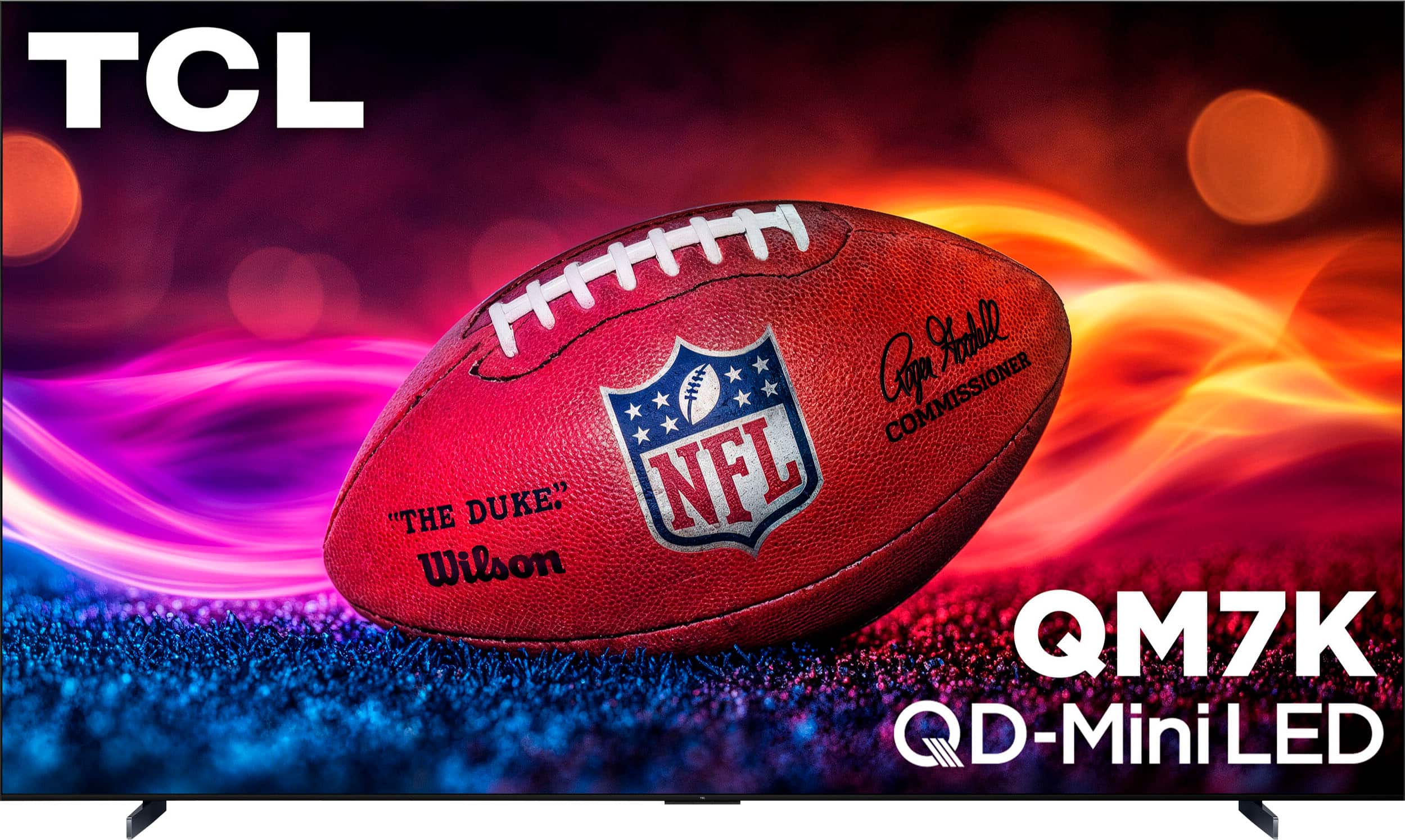
Design & Build
The Hisense U8K looks premium from the front but falls apart when you examine the details. Reviewers consistently note that the bezels are thin and the screen itself looks expensive, but the back panel feels cheap. According to What Hi-Fi?, the build quality doesn't match the picture performance. The remote is basic and uninspired, which matters when you're using it every day.
TCL's QD-Mini LED has similar issues. At $999 for 85 inches, the build quality is average at best. CNET found visible blooming in high-contrast scenes, and the panel doesn't feel as solid as premium alternatives. The TV is massive, which means it's heavy and requires careful mounting. If you're wall-mounting an 85-inch display, plan accordingly.
Neither TV wins on build quality, but the Hisense feels slightly more refined. The TCL's size makes it impressive in a living room, but the construction doesn't inspire confidence. If you care about aesthetics beyond the screen itself, both TVs compromise to hit their price points.
Winner: Hisense U8K — Better front-facing design and more refined bezels, though both cut corners on build quality.
Performance
This is where the numbers get interesting. The Hisense U8K hits 1,966 nits peak brightness in HDR, while the TCL QD-Mini LED reaches 2,746 nits. That's a significant difference on paper, and Tom's Guide confirms the TCL delivers brighter highlights in HDR content. For daytime viewing in bright rooms, the TCL has an advantage.
But brightness isn't everything. According to Alex Floyd's analysis, the Hisense's brightness numbers are real but misleading. The mini-LED backlighting delivers impressive contrast in most scenes, but low-light detail suffers. Dark scenes look murky or washed out compared to premium competitors like the Sony X90L at the same price.
The TCL has its own issues. RTINGS found poor color accuracy with visible off-axis color shift. If you're watching from the side, colors fade noticeably. CNET noted that while the local dimming is effective, blooming appears in high-contrast scenes. The anti-halo technology works well, but it's not perfect.
For pure HDR brightness and movie-watching impact, the TCL wins. For balanced picture quality across all content types, the Hisense is more consistent. RTINGS rated the Hisense 8.5/10 for overall performance, praising its ability to handle everything from sports to streaming without obvious weaknesses.
Winner: TCL QD-Mini LED — Higher peak brightness and better HDR impact, though color accuracy and off-axis viewing suffer.
Gaming Performance
Both TVs support 4K/120Hz, VRR, and modern gaming features. The Hisense U8K includes Dolby Vision gaming, which matters if you own an Xbox Series X. According to Micaela Floyd, the gaming performance is excellent, with responsive input and smooth motion handling. The Google TV interface loads apps quickly and doesn't introduce noticeable lag.
The TCL offers 144Hz support with FreeSync, which is rare at this price point. But Alex Floyd found the input lag is worse than gaming-focused competitors. If you're playing competitive shooters or fighting games, the TCL won't keep up with dedicated gaming displays. For casual gaming and single-player titles, it's fine.
Tom's Guide gave both TVs 4.5/5 for gaming, but the Hisense edges ahead with lower input lag and better motion handling. The 120Hz vs 144Hz difference matters less than responsiveness, and the Hisense delivers smoother gameplay in practice.
Winner: Hisense U8K — Lower input lag and Dolby Vision gaming support make it the better choice for serious gamers.
Smart TV Experience
Both TVs run Google TV, which means you get the same interface, app selection, and voice control. The Hisense is responsive and quick to load apps, according to reviewers. The remote is basic, but the interface doesn't lag or frustrate.
The TCL has the same software experience, but Micaela Floyd notes that Google TV ads can be annoying. This isn't unique to TCL, it's a Google TV issue, but it's worth mentioning if you hate home screen clutter.
Neither TV offers a meaningfully better smart experience. They're both running the same software on similar hardware. If you already use Google TV on another device, you'll feel at home immediately.
Winner: Tie — Identical Google TV experience on both models.
Value for Money
This is where the comparison gets complicated. The TCL costs $999 for 85 inches. That's $300 less than the Hisense, and you get 20 more inches of screen. On a pure dollar-per-inch basis, the TCL destroys the competition. According to Tom's Guide, it's the best value mini-LED TV you can buy.
But value isn't just about size. The Hisense delivers more consistent picture quality, better gaming performance, and fewer compromises. RTINGS calls it "remarkable Mini LED performance at a fraction of Samsung/LG prices." At $1,300, you're getting technology that typically costs $2,000 or more in flagship models.
If you want the biggest screen possible and don't care about perfect color accuracy or competitive gaming, the TCL is unbeatable. If you want a TV that excels at everything without obvious weaknesses, the Hisense is worth the extra $300.
CNET rated both TVs 8.5/10, but What Hi-Fi? gave the Hisense 8.0/10 for delivering "balanced and consistent performance" across all use cases. The TCL is a better deal if size is your priority. The Hisense is a better TV if performance matters more.
Winner: TCL QD-Mini LED — Unbeatable price-per-inch ratio, though the Hisense offers better overall performance.
Who Should Buy What?
Get the Hisense U8K if you want a TV that does everything well without major compromises. It's the better choice for gamers who need low input lag and Dolby Vision support. It's also better for mixed-use viewing, where you'll watch everything from sports to movies to streaming shows. The picture quality is more consistent, and the gaming features are genuinely excellent. At $1,300, it's still a great value compared to $2,000+ flagships.
Get the TCL QD-Mini LED if you want the biggest screen possible for under $1,000. It's perfect for families who prioritize movie night impact over perfect color accuracy. The 85-inch size is genuinely impressive, and the HDR brightness makes movies look spectacular. Just don't sit too far off-axis, and don't expect competitive gaming performance. For casual viewing in a large living room, it's hard to beat.
Final Verdict
The Hisense U8K wins overall because it delivers more consistent performance across every category that matters. Yes, the TCL is bigger and brighter, but it compromises on color accuracy, input lag, and off-axis viewing. According to RTINGS, the Hisense scores 8.5/10 for delivering flagship mini-LED technology at half the price of Samsung and LG alternatives.
What Hi-Fi? sums it up best: the Hisense U8K is "a strong contender in the TV market, offering balanced and consistent performance." That consistency is what separates a good TV from a great one. The TCL excels at movies and HDR content, but it falls short for gaming and mixed-use viewing. The Hisense doesn't have those weaknesses.
At $1,300, the U8K is $300 more expensive than the TCL, but you're getting a TV that works beautifully for everything. It's the smarter long-term investment, and it's the TV that won't frustrate you six months after purchase. If you can afford the extra $300, the Hisense is worth it.
Where to Buy
More TVs Comparisons
Affiliate Disclosure: We may earn a commission when you buy through links on our site. This does not influence our editorial recommendations. Learn more about how we make money