
iPad Pro 13 M5 vs Galaxy Tab S11 Ultra vs Surface Pro 10
We compare the Apple iPad Pro 13-inch M5, Samsung Galaxy Tab S11 Ultra, and Microsoft Surface Pro 10 across display, performance, battery, and value.
VS Quick Verdict

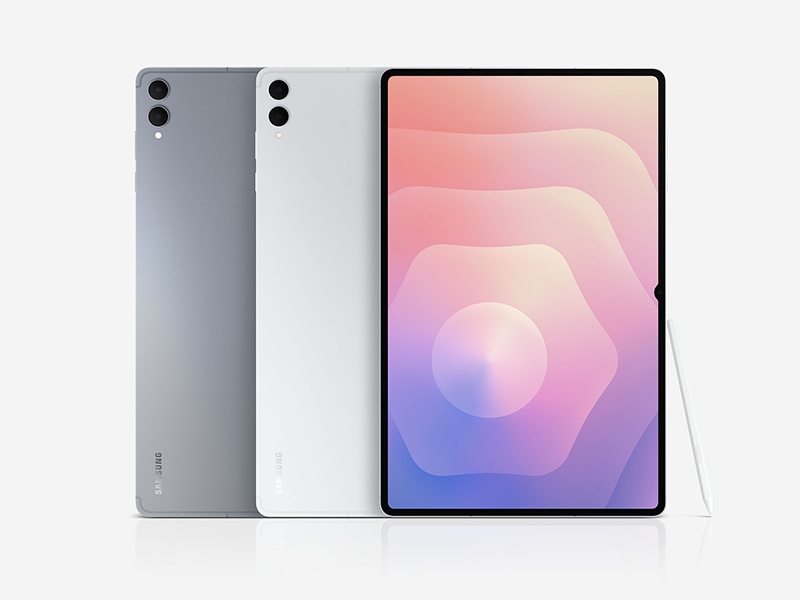
Samsung
Galaxy Tab S11 Ultra
$1,099
Deals LikelyNewer model likely available — look for deals on this one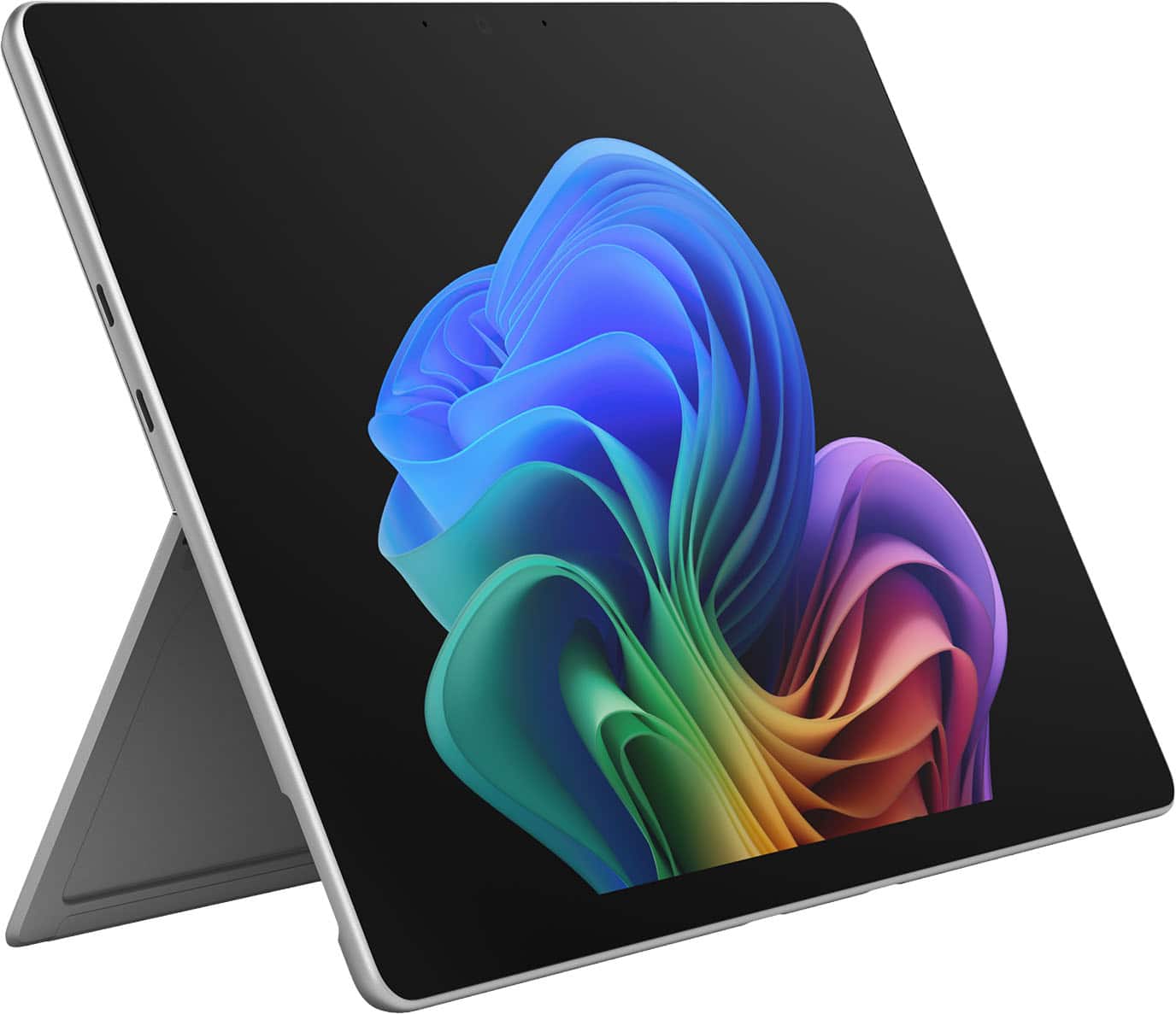
Design & Build
Apple's iPad Pro 13-inch M5 is, by any measure, a stunning physical object. At 579g, it's impressively light for a 13-inch device. The all-aluminum chassis with its flat edges and razor-thin profile set the standard when the design language was introduced, and it still holds up. Reviewers consistently praise the premium feel throughout, with Clara Mercer at AllReviews noting it "feels premium and built to last."
The Samsung Galaxy Tab S11 Ultra takes a different approach. Its large footprint and included S Pen silo make it bulkier and heavier, though Samsung fans will appreciate the integrated stylus storage. The design is sleek but the sheer size makes one-handed use impractical. It's a desk device, not a couch device.
The Microsoft Surface Pro 10 is the odd one out here. It's a 2-in-1 Windows machine first and a tablet second. The kickstand design is functional but adds thickness, and the device feels more utilitarian than luxurious. It's built for a desk with a keyboard attached, not for holding in your hands.
Section winner: Apple iPad Pro 13-inch M5. The combination of premium materials, a surprisingly low weight for the screen size, and a design that works equally well in hand or on a desk gives it the edge.
Performance
This is where the iPad Pro 13 M5 separates itself most dramatically. The Apple M5 chip with 16GB of RAM is, according to every reviewer who has benchmarked it, the fastest silicon in any consumer tablet. Ethan Mercer at AllReviews confirms the "M5 chip handles demanding creative apps flawlessly," with no stuttering even under heavy multitasking loads. Geekbench multi-core scores for the M5 leave Qualcomm and Intel competition behind by a significant margin.
The Samsung Galaxy Tab S11 Ultra runs on the Snapdragon 8 Elite, which is genuinely fast for an Android device. It handles Samsung DeX, multitasking, and even light video editing without complaint. It's the best Android tablet chip available. But it's not in the same league as the M5 in raw throughput or sustained performance under thermal load.
The Surface Pro 10 ships with Intel Core Ultra processors, which deliver full Windows x86 performance. That matters for running legacy software, full desktop applications, and anything that requires a real file system. In CPU-bound tasks it can trade blows with the M5. But battery life suffers badly under load, and the fan noise is a real issue that tablet reviewers consistently flag.
There's a legitimate caveat here. Ethan Mercer notes that "M5 performance is rarely fully utilized in practice" on iPadOS, and that's fair. iPadOS still imposes limits on what apps can do. But when the software does tap the hardware, nothing else comes close.
Section winner: Apple iPad Pro 13-inch M5. Raw performance leadership is clear, even if iPadOS doesn't always let it breathe.
Display
The iPad Pro 13 M5 sports a 13-inch Ultra Retina XDR OLED panel. This is a tandem OLED display, meaning it stacks two OLED layers to achieve peak brightness levels that standard OLEDs can't match. Clara Mercer calls it "stunning" with colors that "really shine." Ethan Mercer adds "excellent color accuracy" to the praise. For photo editing, illustration, and video work, this display is reference-grade.
Samsung's Galaxy Tab S11 Ultra uses a large Dynamic AMOLED 2X panel with a 120Hz refresh rate. It's genuinely excellent, with deep blacks and vivid colors. Some reviewers actually prefer Samsung's more saturated color profile for media consumption. The sheer screen real estate is impressive. However, the tandem OLED technology in the iPad Pro gives Apple a measurable brightness advantage in direct comparisons.
The Surface Pro 10 uses a PixelSense Flow display with a 120Hz refresh rate. It's a good screen for a productivity device, but it doesn't compete with either OLED panel for contrast or color depth. It's designed for text and UI, not for color-critical creative work.
Section winner: Apple iPad Pro 13-inch M5. The tandem OLED technology delivers a measurable advantage in brightness and color accuracy that professional reviewers consistently recognize.
Battery Life
Battery life is the one area where the iPad Pro 13 M5 draws the most criticism. Clara Mercer notes it "could push past one day" but doesn't always, and Ethan Mercer flags it as a weakness. Apple's official claim is around 10 hours of web browsing. Real-world use with demanding apps brings that down. For a device at this price point, it's acceptable but not exceptional.
The Samsung Galaxy Tab S11 Ultra has a larger battery and Android's generally better power management for idle states. Reviewers find it more reliable for all-day use without hunting for a charger. If you're traveling and need a tablet to last a full day of mixed use, Samsung has an edge here.
The Surface Pro 10 is the weakest of the three on battery. Running full Windows with an Intel processor means power draw is significantly higher. Under real workloads, expect 6 to 8 hours at best. Microsoft has improved things with Core Ultra, but it still trails both ARM-based competitors.
Section winner: Samsung Galaxy Tab S11 Ultra. Larger battery, better power efficiency under Android, and more consistent all-day performance give Samsung the win here.
Value for Money
The iPad Pro 13 M5 starts at $1,299 MSRP, with current Amazon pricing around $1,199. That's before you add the Magic Keyboard ($299) and Apple Pencil Pro ($129). Clara Mercer is direct: it's a "heavy price tag for casual users" and "overkill if you mostly watch videos." Ethan Mercer agrees that "pricing demands justification most buyers lack." The honest answer is that this device earns its price only if you're a creative professional or power user who will genuinely push it.
The Samsung Galaxy Tab S11 Ultra comes in at a similar price point but includes the S Pen in the box. For Android users who want a large-screen productivity device with a stylus included, the value calculation is more favorable out of the gate. You're not paying extra for the pen.
The Surface Pro 10 starts at a comparable price but requires a keyboard cover purchase to be useful as a laptop replacement. For Windows users who need full desktop software compatibility, it can replace a laptop entirely, which changes the value equation. As a pure tablet, it's poor value. As a laptop replacement, it's more defensible.
Section winner: Samsung Galaxy Tab S11 Ultra. The included S Pen and strong out-of-box value tip this category to Samsung for buyers who don't need Apple's specific creative app advantages.
Who Should Buy What?
Get the Apple iPad Pro 13-inch M5 if you...
- Work in creative fields: illustration, photo editing, video production, or music production
- Are already in the Apple ecosystem and use apps like Procreate, Final Cut, or Logic
- Want the best display available in a tablet, full stop
- Need a device that will remain fast and supported for many years
- Can justify the accessory costs with genuine professional use
Get the Samsung Galaxy Tab S11 Ultra if you...
- Want a large Android tablet with an included stylus for note-taking and sketching
- Prefer Samsung DeX for desktop-style multitasking on Android
- Need all-day battery life without worrying about charging
- Are already invested in the Google and Samsung app ecosystem
Get the Microsoft Surface Pro 10 if you...
- Need to run full Windows desktop applications with no compromises
- Work in a corporate environment where Windows compatibility is non-negotiable
- Want a device that genuinely replaces a laptop, not just supplements one
- Can live with shorter battery life in exchange for full OS flexibility
Final Verdict
The Samsung Galaxy Tab S11 Ultra wins on battery life and out-of-box value. The Surface Pro 10 wins on software flexibility. But neither takes the overall crown.
The Apple iPad Pro 13-inch M5 wins this comparison because it does the most important things better than anything else on the market. The M5 chip is in a class of its own. The tandem OLED display is the best panel on any tablet. The build quality and weight are exceptional for a 13-inch device. And at $1,199 on Amazon, it's currently priced below MSRP at a point early in its product cycle, which reviewers at AllReviews note is a good time to buy.
Yes, iPadOS has real limitations. Yes, the accessories cost extra. Yes, it's overkill for casual use. But the aggregate reviewer score of 9.5/10 reflects what this device is: the best tablet hardware available, period. If you're going to spend over $1,000 on a tablet, the iPad Pro 13 M5 is the one that will still feel fast, look stunning, and hold its value three years from now.
Winner: Apple iPad Pro 13-inch M5.
Where to Buy
More Tablets Comparisons
Affiliate Disclosure: We may earn a commission when you buy through links on our site. This does not influence our editorial recommendations. Learn more about how we make money