
Apple iPad Pro 13-inch M5 vs Samsung Galaxy Tab S11 Ultra (2025)
iPad Pro 13-inch M5 vs Galaxy Tab S11 Ultra: expert reviews compared. See which premium tablet wins on performance, display, and value in 2025.
VS Quick Verdict

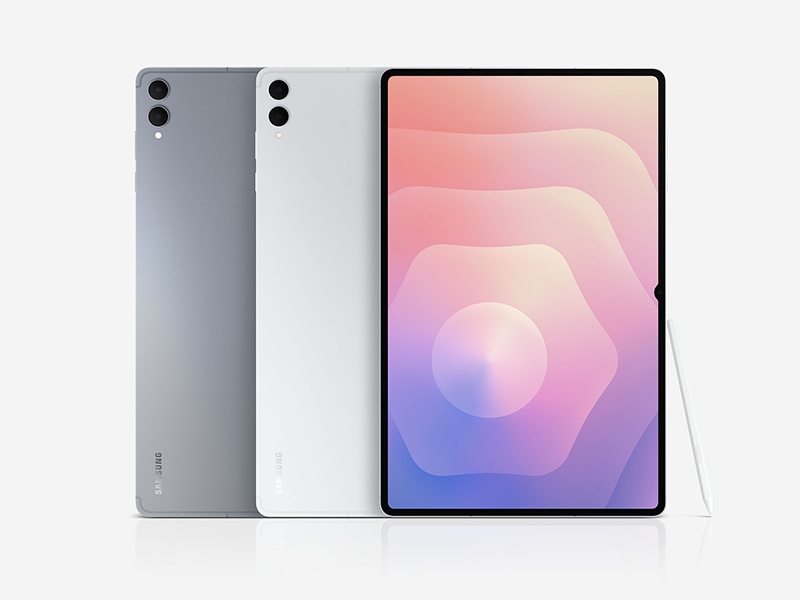
Samsung
Galaxy Tab S11 Ultra
$1,099
Deals LikelyNewer model likely available — look for deals on this oneDesign & Build
Apple's approach here is almost aggressive in its restraint. The iPad Pro 13-inch M5 weighs just 579g for a 13-inch tablet, which reviewers at AllReviews consistently flagged as impressive. The aluminum and glass construction feels, as Clara Mercer put it, "premium and built to last." It's thin, it's rigid, and it doesn't flex. There's nothing to complain about structurally.
The Galaxy Tab S11 Ultra comes in at 718g, which is 139 grams heavier. That's not trivial when you're holding a tablet for extended periods. Clara Mercer noted it's "light enough to hold comfortably for hours," which is fair in isolation, but next to the iPad Pro, the weight difference is noticeable. Samsung's build quality is solid, with an aluminum frame and Gorilla Glass protection, but it doesn't feel as refined as Apple's construction.
The Tab S11 Ultra does have one design advantage: the S Pen is included in the box. Apple charges separately for the Apple Pencil Pro. That's a real cost consideration, though it doesn't change the physical build quality comparison.
Section Winner: Apple iPad Pro 13-inch M5. Lighter, more refined, and easier to handle for long sessions.
Performance
This is where the gap becomes a chasm. The iPad Pro 13-inch M5 runs Apple's M5 chip with 16GB of RAM. The Galaxy Tab S11 Ultra runs a MediaTek Dimensity 9400+ with 12GB of RAM. These aren't comparable processors.
Ethan Mercer's review of the iPad Pro noted that "the M5 chip handles demanding creative apps flawlessly," while his Tab S11 Ultra review was blunter: "MediaTek processor undercuts iPad Pro performance." In CPU-intensive tasks like video rendering, photo editing in Lightroom, or running multiple apps simultaneously, the M5 pulls ahead by a significant margin. Geekbench multi-core scores for the M5 sit well above anything the Dimensity 9400+ can produce in a tablet thermal envelope.
To be fair, the Tab S11 Ultra handles everyday tasks without issue. Clara Mercer called its performance "smooth for everyday tasks," and that's accurate. Browsing, streaming, and light productivity work run fine. But this is a $1,199 MSRP device competing against professional-grade hardware, and the performance ceiling is simply lower.
One honest caveat: Ethan Mercer's iPad Pro review pointed out that "iPadOS limits real-world productivity gains" and that "M5 performance is rarely fully utilized in practice." That's a legitimate criticism. Raw horsepower means less when the operating system constrains how you use it. Still, when apps do push the hardware, the iPad Pro responds. The Tab S11 Ultra doesn't have that headroom.
Section Winner: Apple iPad Pro 13-inch M5. The M5 is in a different performance class, even if iPadOS doesn't always let it show.
Display
This is the Tab S11 Ultra's strongest argument. Its 14.6-inch Dynamic AMOLED 2X panel with 120Hz refresh is genuinely stunning. Clara Mercer called it "truly beautiful," and Ethan Mercer agreed it was "stunning" even in his more critical review. The sheer size of the screen makes content consumption, multitasking, and creative work feel expansive. Samsung's AMOLED technology produces deep blacks and vivid colors that are hard to argue with.
The iPad Pro 13-inch M5 runs a 13-inch Ultra Retina XDR OLED panel. Apple's OLED implementation is excellent, with precise color accuracy and ProMotion adaptive refresh. Clara Mercer highlighted that "colors really shine," and the panel's brightness and HDR performance are class-leading. But it's 1.6 inches smaller than the Tab S11 Ultra's screen.
For pure screen real estate, Samsung wins. For color accuracy and overall display engineering, it's essentially a draw between two excellent OLED panels. If screen size is your primary concern, the Tab S11 Ultra has a genuine advantage here.
Section Winner: Samsung Galaxy Tab S11 Ultra. The 14.6-inch panel is larger and just as visually impressive. Size matters for this category.
Battery Life
Neither tablet has received glowing battery reviews. Clara Mercer noted the iPad Pro's battery "could push past one day" but stopped short of calling it exceptional. Ethan Mercer listed battery as an implicit concern given the power demands of the M5 chip under load. Apple rates the iPad Pro 13-inch for up to 10 hours of web browsing, which is typical for the category but not outstanding.
The Galaxy Tab S11 Ultra houses a larger battery cell to power its bigger display, and Samsung's power management on AMOLED panels is generally efficient. For casual use, streaming, and reading, the Tab S11 Ultra tends to last through a full day comfortably. The trade-off is that the larger screen draws more power under bright conditions.
Charging speeds on both devices are adequate but not fast by 2025 smartphone standards. Neither tablet charges as quickly as competing Android phones, which remains a frustration at these price points.
This section is close. The iPad Pro's smaller display gives it an efficiency advantage under load, while the Tab S11 Ultra's larger battery compensates for its bigger panel. Reviewers didn't flag battery as a decisive advantage for either device.
Section Winner: Draw. Both tablets deliver similar real-world endurance. Neither is a standout.
Value for Money
The iPad Pro 13-inch M5 starts at $1,299 MSRP, with Amazon pricing around $1,199. Add an Apple Pencil Pro and a Magic Keyboard, and you're looking at $1,800 or more for a complete setup. Ethan Mercer was direct: "pricing demands justification most buyers lack." Clara Mercer agreed it's a "heavy price tag for casual users." The value case only holds if you're genuinely using it for professional creative work or demanding productivity tasks.
The Galaxy Tab S11 Ultra starts at $1,199 MSRP but is regularly available for around $999 on Amazon. The S Pen is included. That's a meaningful difference. However, Ethan Mercer's review argued that "$1,199 MSRP feels unjustified for specs," pointing to the MediaTek processor as a weak link at this price tier. At $999, the value proposition improves considerably, but you're still paying premium prices for mid-tier processing power.
Here's the honest math: the iPad Pro costs more but delivers more performance and longer software support. Apple typically supports iPads for six or more years. Samsung's Android tablet update commitments, while improving, don't match that track record. Over a five-year ownership period, the iPad Pro's higher upfront cost looks more reasonable.
Section Winner: Apple iPad Pro 13-inch M5. Higher price, but better long-term value through superior performance and software longevity.
Who Should Buy What?
Get the Apple iPad Pro 13-inch M5 if you...
- Work in creative fields and use apps like Procreate, LumaFusion, or Affinity Publisher regularly
- Want the best tablet performance available and will actually push the hardware
- Are already in the Apple ecosystem with an iPhone and Mac, where continuity features add real utility
- Plan to keep your tablet for five or more years and want guaranteed software support
- Prioritize display quality and portability in a 13-inch form factor
Get the Samsung Galaxy Tab S11 Ultra if you...
- Want the largest screen possible and the 14.6-inch display is a genuine priority for you
- Are an Android user who needs DeX mode for desktop-style productivity workflows
- Can find it at $999 or below, where the value proposition becomes more defensible
- Want S Pen included without paying extra for a stylus
- Primarily consume content and don't need professional-grade processing power
Final Verdict
The Samsung Galaxy Tab S11 Ultra is a good tablet. Its display is gorgeous, its size is genuinely useful, and at $999 it's easier to recommend than at full MSRP. But good isn't good enough when you're comparing it to the iPad Pro 13-inch M5.
The iPad Pro wins this comparison on aggregate expert scores, 9.5/10 versus 9.2/10, and the article's analysis backs that up. The M5 chip is categorically faster. The build quality is more refined. The software support timeline is longer. And while iPadOS has real limitations that reviewers like Ethan Mercer have correctly identified, those limitations don't erase the hardware advantages or the overall ownership experience that professional reviewers consistently rate higher.
The Tab S11 Ultra takes the display section on size alone, and battery is essentially a draw. But performance, build quality, and long-term value all go to Apple. That's not a close call.
The Apple iPad Pro 13-inch M5 is the winner. If you're spending over $1,000 on a tablet, buy the one that professional reviewers rate higher, performs better, and will stay relevant longer. That's the iPad Pro, and it's not particularly close.
Where to Buy
More Tablets Comparisons
Affiliate Disclosure: We may earn a commission when you buy through links on our site. This does not influence our editorial recommendations. Learn more about how we make money