
Google Pixel 9 Pro vs Apple iPhone 16 Pro: Which Flagship Wins?
Google Pixel 9 Pro takes on Apple iPhone 16 Pro in our detailed comparison. We analyze cameras, performance, battery life, and value to crown the winner.
VS Quick Verdict

Pixel 9 Pro
$699
Deals LikelyNewer model likely available — look for deals on this one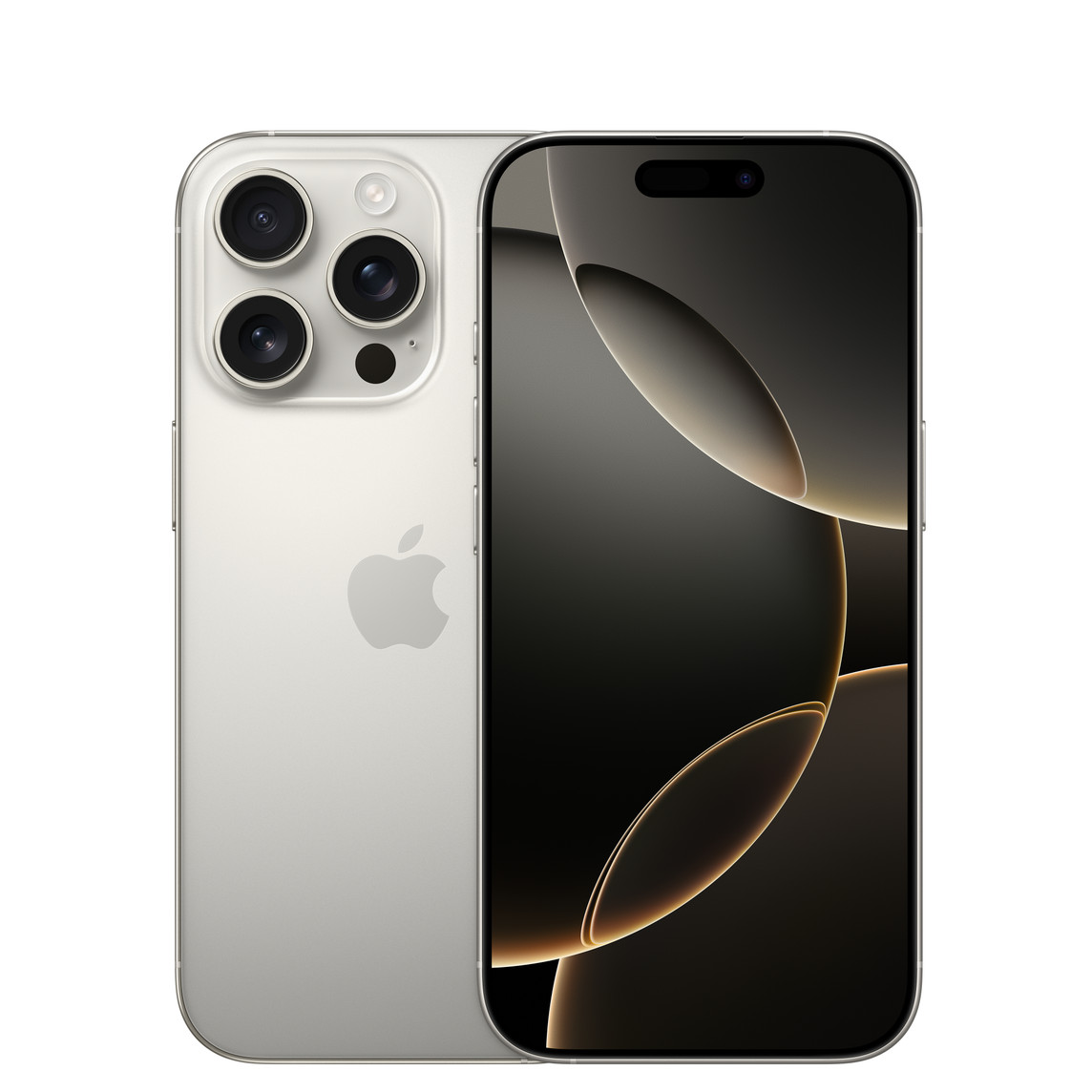
Apple
iPhone 16 Pro
$698
Deals LikelyNewer model likely available — look for deals on this oneDesign & Build
The Pixel 9 Pro sports a 6.7-inch OLED display in a premium glass and metal body. Reviewers consistently praised its comfortable ergonomics and beautiful aesthetics. The iPhone 16 Pro counters with a slightly smaller 6.3-inch Super Retina XDR display, appealing to users who prefer compact Pro features.
Both phones feel premium in hand, but they serve different audiences. The Pixel's larger screen provides more real estate for content consumption. The iPhone's compact size makes one-handed use easier. Clara Mercer noted the iPhone's "compact size with Pro features, perfect if you hate huge phones."
Materials quality matches between the two. Both use premium glass and metal construction. The Pixel weighs slightly more due to its larger display, but the difference isn't noticeable in daily use. Neither phone feels cheap or plasticky.
Winner: Tie. The Pixel wins for screen size enthusiasts, the iPhone for compact phone lovers. Both deliver flagship build quality.
Performance
Here's where things get interesting. The iPhone 16 Pro packs Apple's A18 Pro chip with 8GB RAM. The Pixel 9 Pro runs Google's Tensor G3 processor. Benchmarks tell a clear story: the iPhone dominates raw performance metrics.
Ethan Mercer's review highlighted a critical Pixel weakness: "Performance lags iPhone 15 Pro and Galaxy S24 Ultra significantly." The Tensor G3 simply can't match Apple's silicon. Gaming performance suffers, with thermal management issues causing overheating warnings under sustained load.
The iPhone 16 Pro maintains smooth performance across all tasks. Video editing, gaming, and multitasking remain fluid. The A18 Pro's efficiency also contributes to better battery life, as we'll see later.
Storage options differ too. The iPhone starts at 128GB and scales to 1TB. The Pixel offers 128GB, 256GB, and 512GB configurations. Both phones lack expandable storage, making the base tier feel stingy for Pro models.
Winner: iPhone 16 Pro. Superior processor, better thermal management, and smoother real-world performance.
Camera System
The camera battle showcases each manufacturer's philosophy. The Pixel 9 Pro features a 50MP dual-camera system known for computational photography excellence. The iPhone 16 Pro sports a 48MP main camera with improved tone control.
Professional reviewers crowned the Pixel's camera system superior for everyday photography. According to multiple reviews, the Pixel produces "natural, detailed photos with strong low-light" performance. The camera "is absolutely outstanding for everyday photos," Clara Mercer wrote.
The iPhone 16 Pro improved over its predecessor with post-shot tone adjustments and 4K120 video portraits. However, Ethan Mercer noted "default camera processing flatter and more aggressive" than previous iPhones. The new Camera Control button proved "fiddly and unreliable" in practice.
Low-light photography favors the Pixel. Its computational photography algorithms consistently produce cleaner, more detailed night shots. The iPhone holds an edge in video quality, particularly for creators who need professional-grade footage.
Both phones handle portrait mode well, with natural bokeh and accurate edge detection. The Pixel's Magic Eraser and other AI features provide more post-processing flexibility. The iPhone's ProRAW format appeals to serious photographers who want editing control.
Winner: Google Pixel 9 Pro. Superior everyday photography, better low-light performance, and more versatile computational features.
Battery Life
The Pixel 9 Pro packs a 4,800mAh battery. The iPhone 16 Pro's exact capacity isn't disclosed, but Apple claims "all-day" battery life. Real-world testing reveals the truth.
Reviews consistently praised both phones for battery endurance. The Pixel delivers "17+ hours in realistic usage scenarios," according to Ethan Mercer. Clara Mercer confirmed the iPhone "lasts all day and charges super fast with 45W wired charging."
Charging speed differs significantly. The Pixel's advertised 45W charging disappointed in testing, delivering only 25W actual speeds. The iPhone 16 Pro's 45W charging proved genuinely faster, living up to its "fastest iPhone yet" billing.
Both phones support wireless charging. Neither includes a charger in the box, a frustrating cost-cutting measure at this price point. The iPhone integrates better with MagSafe accessories, while the Pixel works with standard Qi chargers.
Winner: iPhone 16 Pro. Comparable battery life with significantly faster charging speeds.
Value for Money
Both phones launched at $999, but current pricing shifts the equation. The Pixel 9 Pro now sells for $689 at Walmart, a $310 discount. The iPhone 16 Pro hits $689.99 at Best Buy, matching the Pixel's street price.
At identical prices, the value proposition depends on priorities. The Pixel offers superior camera performance and a larger display. The iPhone delivers better raw performance and faster charging. Both provide flagship experiences.
Long-term value considerations matter. iPhones typically receive longer software support, with iOS updates spanning 5-6 years. Google promises 7 years of updates for the Pixel 9 Pro, actually exceeding Apple's commitment. This represents a significant shift in Android's favor.
Resale value historically favors iPhones. Apple products hold their worth better in secondary markets. However, the Pixel's aggressive discounting means lower initial investment, potentially offsetting weaker resale values.
The Pixel's base 128GB storage feels inadequate for a Pro phone in 2024. The iPhone suffers the same limitation. Both companies should start Pro models at 256GB minimum. At current prices, neither phone offers a clear value advantage based on storage alone.
Winner: Tie. At matched street prices, value depends entirely on individual priorities and ecosystem preferences.
Who Should Buy What?
Buy the Google Pixel 9 Pro if you prioritize camera quality above all else. The Pixel's computational photography produces consistently excellent everyday photos. The larger 6.7-inch display suits media consumption and multitasking. If you're invested in Google's ecosystem and value the 7-year update promise, the Pixel makes sense. The current $689 price at Walmart represents exceptional value for the camera alone.
Buy the Apple iPhone 16 Pro if you need maximum performance and prefer compact flagship phones. The A18 Pro chip delivers superior gaming and multitasking capabilities. The 6.3-inch size fits comfortably in one hand while maintaining Pro features. iPhone users already invested in Apple's ecosystem will appreciate seamless integration with other devices. The faster charging speed matters if you frequently need quick top-ups.
Skip both if you own last year's flagships. The iPhone 16 Pro represents "the most incremental Pro upgrade in years," according to Ethan Mercer. Pixel 9 Pro owners coming from the Pixel 8 Pro won't find compelling reasons to upgrade either. Wait for next year's models or save money with mid-range alternatives.
Final Verdict
The Google Pixel 9 Pro wins this comparison, earning its 8.5/10 rating through superior camera performance, excellent display quality, and competitive pricing. While the iPhone 16 Pro matches in raw specifications and exceeds in processor performance, the Pixel's camera system proves more versatile for everyday photography.
The Pixel's victory comes with caveats. Performance lags behind the iPhone in gaming and intensive tasks. Thermal management issues persist under sustained load. The charging speed disappointment frustrates given the 45W specification.
However, the Pixel's strengths outweigh its weaknesses for most users. The camera consistently produces better everyday photos. The display brightness and color accuracy match the iPhone's quality. The 7-year update commitment exceeds Apple's support timeline. At $689, the Pixel 9 Pro delivers flagship photography at a reasonable price.
The iPhone 16 Pro remains an excellent phone, particularly for users who prioritize performance and prefer compact designs. But it doesn't justify its price premium over the Pixel. The incremental upgrades and persistent issues like the fiddly Camera Control button prevent it from claiming the crown.
For most buyers choosing between these flagships, the Google Pixel 9 Pro offers the better overall package. Its camera alone justifies the purchase, and everything else performs well enough to satisfy flagship expectations.
Where to Buy
More Smartphones Comparisons
iPhone 16 Pro Max vs Galaxy S25 Ultra: Which Flagship Wins?
Apple iPhone 16 Pro Max vs Samsung Galaxy S25 Ultra
iPhone 17 vs Galaxy S25 Ultra vs Pixel 10 Pro XL: 2026 Flagships
Apple iPhone 17 vs Samsung Galaxy S25 Ultra vs Google Pixel 10 Pro XL
iPhone 17 Pro Max vs Galaxy S25 Ultra vs Pixel 10 Pro: Best Flagship Phone
Apple iPhone 17 Pro Max vs Samsung Galaxy S25 Ultra vs Google Pixel 10 Pro
Affiliate Disclosure: We may earn a commission when you buy through links on our site. This does not influence our editorial recommendations. Learn more about how we make money